


Ghost of Yotei Atsu Sword: Story, Design & Samurai Sword Guide
What Is the Ghost of Yotei Atsu Sword and Why Is It So Popular?
A truly captivating sword is never just made of steel and sharp edges. It carries the memories of an era, the beliefs of a warrior, and a story that deserves to be remembered. Throughout history, Japanese swords have always held a special cultural significance. From battlefield weapons carried by samurai during the Sengoku period to symbols of identity, honor, and spiritual discipline during the Edo period, the samurai sword has long surpassed its practical purpose and become a collectible piece that combines history, art, and culture.
With the rise of video games, movies, and anime culture, Japanese swords have gained a new form of expression in modern times. Many young collectors are no longer introduced to the beauty of the Japanese katana through history books alone. Instead, they first experience the charm of samurai blades through virtual worlds. A sword from a game can represent a character’s journey, symbolize an unforgettable adventure, or become a meaningful connection between players and the stories they love.
The Ghost of Yotei Atsu Sword was created from this unique combination of traditional culture and modern entertainment. Inspired by the story of the character Atsu, this themed sword incorporates the northern wilderness, a lonely journey, and the spirit of the samurai into its design. As a result, this Ghost of Yotei sword is not only a game collectible but also a piece that connects Japanese sword culture with modern gaming art.
For collectors who appreciate Japanese sword replica, katana replica, and samurai sword collection, the value of this sword is not only found in its visual design. More importantly, it represents a story, a character, and an emotional connection that extends beyond the virtual world.
What is the release date for Ghost of Yotei?
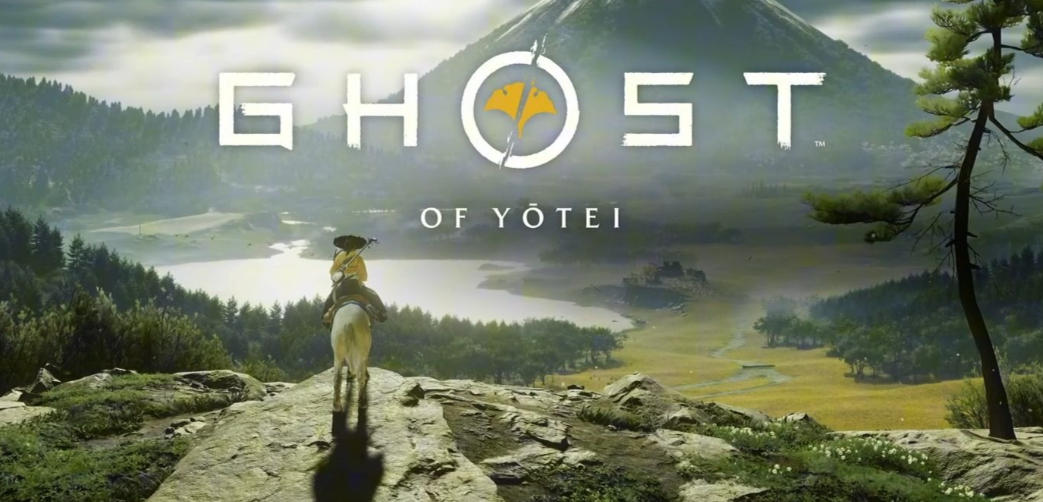
Ghost of Yotei was officially released on October 2, 2025, exclusively for PlayStation 5. As the spiritual successor to Ghost of Tsushima, the game introduces a brand-new story set in 17th-century northern Japan, around the historical Ezo region near modern-day Hokkaido.
Players follow Atsu, a lone warrior who embarks on a journey of revenge while searching for the truth behind her past. With a completely new setting, a new protagonist, and a deeper exploration of samurai culture, adventure, and personal redemption, Ghost of Yotei continues the legacy of the “Ghost” series while creating its own unique identity.
Atsu Sword: The Blade of Destiny Belonging to a Lone Warrior
In the story of Ghost of Yotei, Atsu is a lone warrior who begins a journey driven by revenge. She lives in 17th-century northern Japan, within the historical region of Ezo, an area closely connected to modern-day Hokkaido. Unlike the more developed cities and territories of central Japan, Ezo was a vast, cold, and mysterious frontier filled with untouched landscapes and unknown dangers.
The region’s endless snowfields, forests, mountains, and wilderness create the perfect setting for Atsu’s journey of searching for answers, confronting her past, and changing her destiny.
The story follows Atsu’s path of revenge. A tragedy from her past changed her life forever, causing her to lose someone important and pushing her toward the northern lands in search of the truth hidden behind her suffering. Unlike traditional samurai stories that often focus on warriors with noble backgrounds, family names, and established positions, Atsu is closer to a wandering warrior.
She has no powerful clan supporting her.
She has no stable identity protecting her.
What she has is only her swordsmanship, her determination, and the blade that accompanies her throughout the journey — the Atsu Sword.
During her adventure, Atsu must not only fight external enemies but also confront the pain and struggles within herself. Her journey is not simply about revenge. It is also about finding herself after loss and discovering what her beliefs truly mean.
Every battle and every decision gradually teaches her that true strength is not only about defeating enemies, but about continuing forward even when surrounded by darkness.
In Japanese culture, the relationship between a sword and its owner has always carried special meaning. A sword does not only represent power; it can symbolize a person’s past, choices, and future. For samurai, carrying a sword represented identity and honor. For swordsmiths, creating blades represented craftsmanship and dedication. For a warrior like Atsu, who walks her path alone, the sword represents the reason to keep moving forward.
Therefore, the Atsu Sword is not simply a weapon.
It is an extension of the character’s life story.
It represents her struggle with loss, her search for answers, and her determination to challenge fate.
This blade witnesses her journey from pain toward growth and records her transformation from a person seeking revenge into a warrior capable of controlling her own destiny.


