


Does Samurai Armor Still Exist? History and Modern Craftsmanship
- โพสต์โดย COOLKATANA
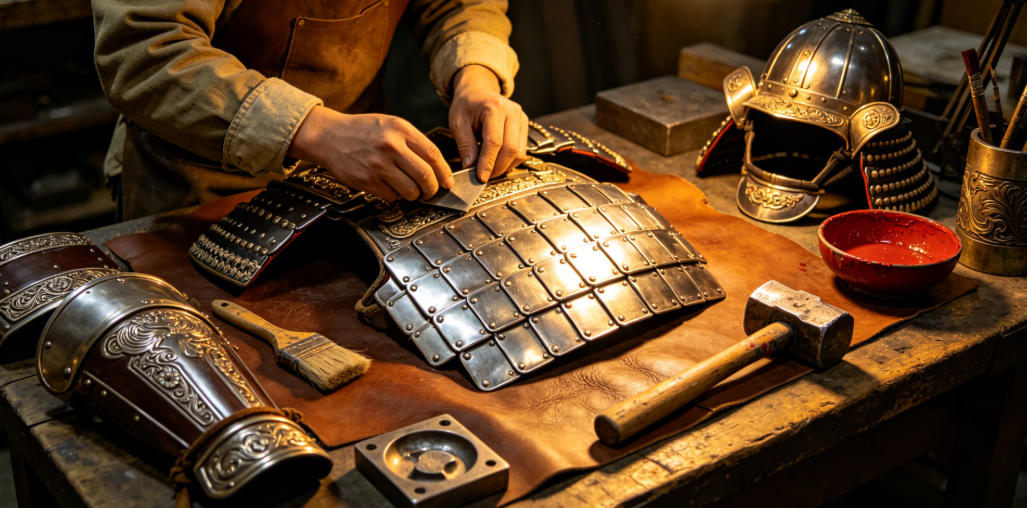
Is Samurai Armor Still Made Today? Exploring Its History and Modern Craftsmanship
Does Samurai Armor Still Exist Today? The Legendary Legacy from Battlefield Protection to Modern Handcrafted Art
When people think of the Japanese Samurai, they often imagine powerful warriors wearing magnificent armor and carrying a sharp Katana (Japanese sword).
Throughout Japanese history, Samurai Armor was not only a piece of battlefield protection but also a symbol of warrior identity, family honor, and the spirit of the Bushido Code.
However, after the samurai class gradually disappeared in the 19th century, one question has continued to attract the attention of history enthusiasts:
Is real Samurai Armor still being made today? Does the art of handcrafted samurai armor continue to exist in the modern world?
The answer is yes.
Although samurai no longer fight on battlefields, the traditional craftsmanship of Japanese Samurai Armor has survived. Modern craftsmen continue to preserve ancient techniques through hand forging, traditional lacquer work, and metal craftsmanship, transforming historical armor into collectible pieces, works of art, and symbols of Japanese heritage.
The Origin of Samurai Armor: From Ancient Battle Gear to a Symbol of Honor
The development of Japanese Samurai Armor has gone through more than a thousand years of evolution.
Long before the samurai class officially emerged, ancient Japanese warriors had already used basic protective equipment. However, as the samurai class rose during the late Heian period (794–1185), specialized armor designed for mounted warriors gradually appeared.
One of the most representative early armor styles was:
Ō-yoroi (Great Armor)
Ō-yoroi was developed during the Heian period and was mainly worn by high-ranking samurai and aristocratic warriors.
Its main features included:
- Large shoulder guards
- Multiple layers of leather and metal
- Decorative family crests
- A design suitable for mounted archery combat
At that time, samurai warriors did not rely only on physical strength in battle. They also valued status, reputation, and honor.
On the battlefield, a warrior’s armor was often considered the 'symbol of his family.'

The Genpei War: The First Legendary Showcase of Samurai Armor
The famous Genpei War (1180–1185) was a major turning point in the development of samurai culture.
This historical conflict took place between:
- Genpei War
- Minamoto clan
- Taira clan
The Minamoto and Taira clans fought fiercely for control over Japan.
During this period, samurai warriors wore impressive Ō-yoroi Samurai Armor and fought on horseback using bows and traditional swords.
Historical records show that warriors often introduced themselves before battle by announcing their name, family background, and achievements. This reflected the early samurai values of reputation and honor.
Armor was not only used for protection but also represented generations of family pride and warrior tradition.
The Kamakura Period: Samurai Armor Becomes a Symbol of Warrior Spirit
Entering the Kamakura period (1185–1333), Japan officially became ruled by the samurai class.
As warfare became more frequent, armor designs became more practical and functional.
Compared with the heavier Ō-yoroi, new styles such as:
Dō-maru (胴丸)
Harimaki (腹巻)
were lighter and better suited for infantry combat.
During this era, the foundation of samurai values became stronger.
Loyalty, courage, discipline, and sacrifice became essential ideals of the warrior class.
These concepts later developed into the famous:
Bushido Code (The Way of the Warrior)
Samurai Armor gradually evolved from simple protection equipment into a symbol of personal character, social status, and warrior identity.
The Sengoku Period: The Golden Age of Famous Samurai Armor
If one period best represents the spirit of the samurai, it would undoubtedly be:
The Sengoku Period (1467–1615)
The Sengoku Period was one of the most chaotic times in Japanese history, but it was also the golden age of samurai culture.
Beginning with the Onin War in 1467, Japan entered a century of continuous conflict. Powerful regional lords known as Daimyo fought for territory and influence, allowing many samurai clans to rise.
As warfare expanded, Samurai Armor reached its peak of development.
Compared with earlier armor that focused mainly on status and appearance, Sengoku-era armor emphasized:
- Protection
- Mobility
- Battlefield practicality
- Individual warrior style
To adapt to large-scale infantry warfare, new armor designs appeared, including:
- Tosei Gusoku (当世具足) – the most popular modern-style armor of the Sengoku period
- Kabuto (Samurai Helmet) – an important symbol of warrior authority
- Dō-maru (胴丸) – armor designed for close combat
During this era, armor became more than battlefield equipment. It became a powerful representation of a warrior’s identity, beliefs, and family honor.
The Sengoku period produced many legendary figures who changed Japanese history, including:
- Oda Nobunaga
- Takeda Shingen
- Date Masamune
- Tokugawa Ieyasu
The Samurai Armor worn by these famous warriors became an important influence on Japanese armor craftsmanship for future generations.
Takeda Shingen: The Legend of Red Armor and Elite Cavalry
Takeda Shingen was one of the most influential daimyo of the Sengoku period and was famously known as the 'Tiger of Kai.'
His domain, Kai Province (modern-day Yamanashi Prefecture), was famous for its powerful military forces, especially:
Akazonae (Red Armored Troops)
The warriors of the Takeda clan wore bright red Samurai Armor, creating an unforgettable presence on the battlefield.
The color red was not only visually striking but also symbolized:
- Courage
- Warrior spirit
- Power
- Loyalty
Takeda Shingen placed great importance on cavalry warfare. His army was known for strict discipline and powerful battlefield charges.
The:
Battle of Kawanakajima (1561)
is one of the most famous battles in Japanese samurai history.
The repeated conflicts between Takeda Shingen and Uesugi Kenshin became legendary as one of the greatest rivalries of the Sengoku era.
During these battles, Samurai Armor served not only as protection but also as a symbol of military strength and morale.
The influence of Takeda’s red armor continues today through:
- Samurai Armor Replica
- Japanese Warrior Armor
- Samurai Costume
- Historical films
- Japanese cultural exhibitions
Red samurai armor remains one of the most iconic images of Japanese warriors.

Date Masamune: The One-Eyed Dragon and the Legendary Crescent Kabuto
Another legendary warrior of the Sengoku period was:
Date Masamune
Born in 1567, Date Masamune was one of the most powerful daimyo in northern Japan.
Because he lost sight in his right eye, he became known as:
'The One-Eyed Dragon of Ōshu'
Date Masamune was famous not only for his military ability but also for his unique style and personalized armor design.
His black Samurai Armor was combined with his iconic:
Golden Crescent Kabuto (Samurai Helmet)
This helmet became one of the most recognizable designs in Japanese armor history.
The large golden crescent-shaped ornament (Maedate) on his helmet represented:
- Divine destiny and glory
- Warrior authority
- Unique identity
On the battlefield, helmet decorations allowed warriors to quickly identify their commanders while also intimidating enemies.
The armor style of Date Masamune represented the Sengoku warrior ideals of:
- Authority
- Individuality
- Clan identity
- Warrior spirit
Today, Date Masamune Samurai Armor remains one of the most popular designs among collectors, history enthusiasts, and fans of Japanese culture.
The Edo Period: Samurai Armor Transforms from Battlefield Gear into Art
In 1603, the Edo Period began, bringing a long era of peace to Japan.
Because large-scale wars became rare, samurai warriors no longer needed to wear armor regularly in battle.
As a result:
Samurai Armor
began to change its purpose.
It gradually became:
- A symbol of social status
- A family heirloom
- A ceremonial item
- A piece of art collection
Many samurai families preserved their ancestral armor as a reminder of family honor and heritage.
After the Meiji Restoration: The Samurai Disappeared, but Armor Culture Survived
In the late 19th century, Japan experienced the:
Meiji Restoration
Japan began rapid modernization, and the samurai class officially came to an end.
Although samurai disappeared as a social class, their cultural legacy remained.
Samurai swords, armor, and Bushido philosophy became important parts of Japanese traditional culture.
Many museums began preserving historical:
- Samurai Armor
- Kabuto Helmet
- Katana Sword
allowing future generations to learn about samurai history.
Are Samurai Armors Still Made Today?
Today, professional craftsmen continue creating:
Handcrafted Samurai Armor
Modern samurai armor is mainly produced for:
- Historical collections
- Museum exhibitions
- Japanese cultural events
- Film productions
- Luxury decoration
- Cosplay
Modern craftsmen often study:
- Sengoku-period armor structures
- Edo-period decorative styles
- Traditional manufacturing methods
while combining modern materials to create armor suitable for collectors.
The Process of Making Modern Handcrafted Samurai Armor
Creating a high-quality:
Traditional Samurai Armor
requires multiple steps.
Metal Craftsmanship
Craftsmen create:
- Chest armor
- Shoulder guards
- Arm protection
- Leg armor
- Helmets
Each component requires careful shaping and adjustment.
Traditional Lacquer Work
Japanese lacquer techniques give armor:
- A beautiful shine
- Protection against corrosion
- Unique colors and finishes
Black, red, and gold remain the most iconic colors in modern Samurai Armor design.
Handcrafted Decorations
High-quality armor often includes:
- Dragon patterns
- Family crests
- Mythical creatures
- Metal engraving
These details transform each armor set into a unique piece of artwork.
Handmade Life-Size Red Iyozane Japanese Samurai Armor Yoroi

Conclusion: Samurai Armor Will Never Disappear
Although the true Japanese samurai no longer exist, Samurai Armor continues to live on.
From the battlefields of the Genpei War, to the legendary armor of Sengoku warriors, to modern handcrafted masterpieces, samurai armor has changed its role but never lost its unique charm.
Modern Handcrafted Samurai Armor is not only a collectible item but also a story of Japanese history, warrior philosophy, and traditional craftsmanship.
For those who love Japanese culture, samurai history, and traditional artistry, a beautiful set of Japanese Samurai Armor is a bridge connecting the past with the present.

